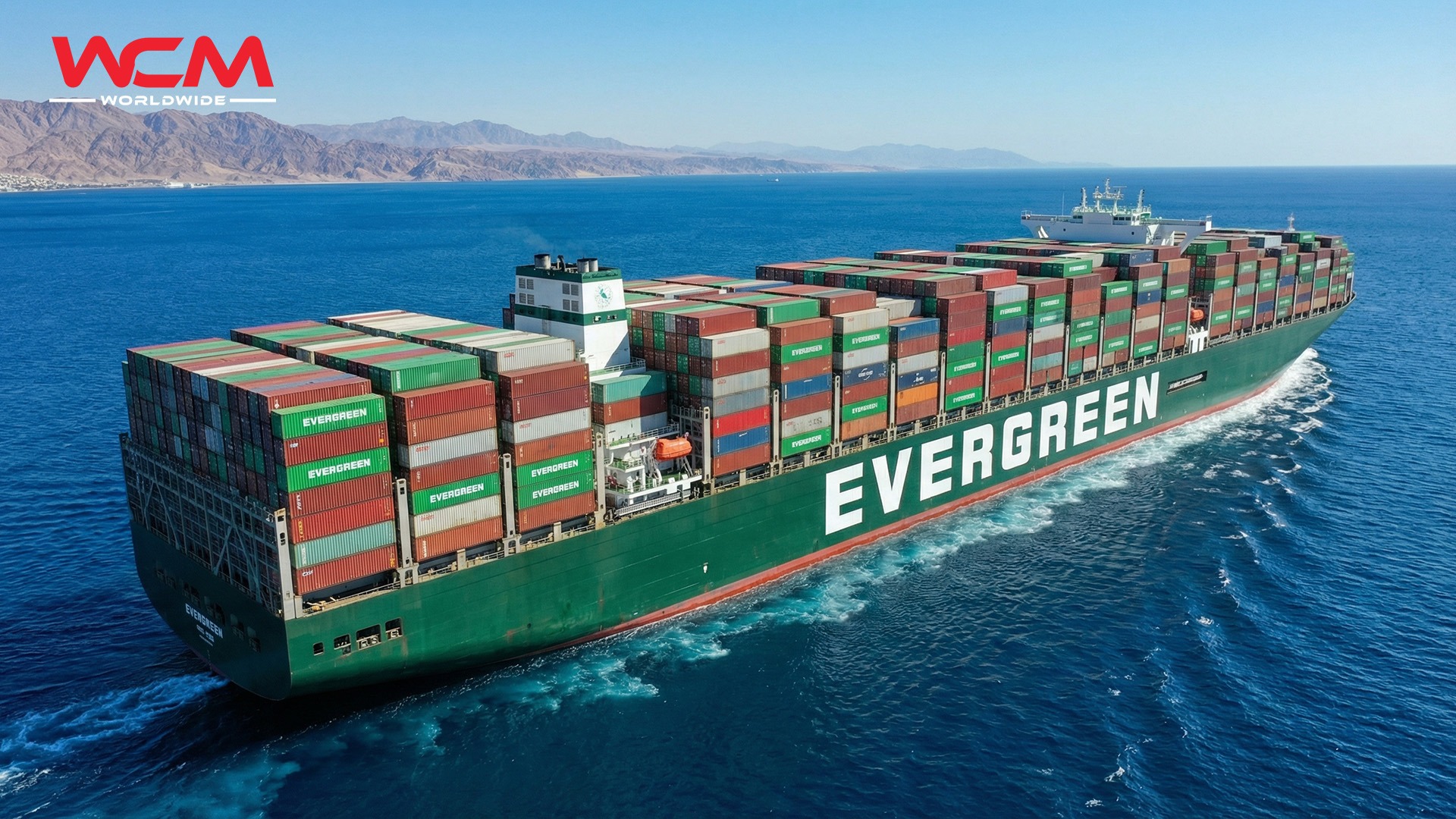
The escalating geopolitical situation in the Middle East between Iran and Israel is severely disrupting major global trade lanes, notably the Red Sea and Suez Canal corridors. WCM Worldwide reports that forced vessel diversions around the Cape of Good Hope are causing extended transit times, reduced global container capacity, and surging freight rates for US importers and exporters. To mitigate these risks, businesses must implement agile logistics strategies, increase safety stock, and leverage alternative multimodal routing to maintain supply chain resilience.
Global trade thrives on predictability, yet recent escalations in the Middle East have introduced a new era of volatility. The intensifying crisis between Iran and Israel has transformed critical maritime corridors into high-risk zones. For USA-based importers and exporters, the fallout is no longer a distant geopolitical headline. It is an immediate logistical challenge impacting transit times, freight costs, and inventory planning. As a global NVOCC, WCM Worldwide is closely monitoring these shifts to ensure our clients maintain a competitive advantage in their supply chains despite the current situation.
The Trade Lane Chokepoints
When tensions rise in the Middle East, the most vital waterways in the world feel the immediate impact. The Strait of Hormuz and the Red Sea corridor leading to the Suez Canal are essential arteries for global commerce. Current security threats have forced major ocean carriers to reassess these routes. Many vessels are now diverting around the Cape of Good Hope to avoid volatile waters.
This diversion adds thousands of nautical miles to voyages. For shipments moving from Asia to the US East Coast, this means significant transit delays. The traditional Asia to North America trade lanes are experiencing a cascading effect. As vessels take longer to complete their rotations, global container capacity shrinks, leading to port congestion and delayed arrivals.
The Direct Impact on US Logistics
For the US market, the consequences of these extended transit times are multifaceted. Ocean freight rates have seen sharp upward pressure due to security risk premiums and the increased fuel costs associated with longer journeys. Businesses relying on lean inventory models must now factor in longer lead times to prevent stockouts.
Air freight is also experiencing a surge in demand as shippers look for alternative ways to bypass ocean delays for critical cargo. This sudden shift puts immense strain on air capacity, pushing those rates higher as well. Importers moving goods into ports like Charleston, where WCM is headquartered, need proactive strategies to manage these unpredictable shifts in schedule reliability.
Strategic Agility in a Volatile Market
In a landscape where geopolitical events can disrupt supply chains overnight, agility is the most critical asset. Shippers must diversify their routing options and consider multimodal solutions to bypass congested areas. Advanced forecasting and maintaining safety stock are also becoming standard practices to weather the storm of delayed shipments.
Having a robust network is essential. Companies need access to real-time intelligence and alternative carrier options when primary routes become compromised. It is about shifting from a reactive stance to a proactive strategy.
Delivering Solutions in a Complex World
Navigating these unprecedented challenges requires a logistics partner with deep industry expertise and a resilient global network. At WCM Worldwide, we understand that our clients need more than just space on a vessel; they need strategic guidance to overcome supply chain bottlenecks. Our team and our global partners are actively working to find alternative routings, secure capacity, and provide the visibility required to keep your cargo moving.
We are committed to delivering solutions in a complex world. If your supply chain is feeling the pressure of this global crisis, our experts are ready to evaluate your current logistics strategy. Reach out to WCM Worldwide to discuss how we can build resilience into your shipping operations and keep your business moving forward.
Frequently Asked Questions
How is the Middle East crisis directly affecting US supply chains?
The current geopolitical situation is forcing ocean carriers to reroute vessels away from the Red Sea and Suez Canal to avoid security threats. This diversion adds thousands of nautical miles to global voyages, causing significant delays, reduced vessel availability, and inventory management challenges for US-based businesses.
What impact does the situation have on global freight rates?
Freight costs are experiencing sharp upward pressure across the board. The extended transit times require more fuel, and carriers are applying security risk premiums to their pricing. Additionally, the shift of urgent cargo from ocean to air transport is driving up air freight rates due to sudden capacity constraints.
Which major trade lanes are most impacted by the current geopolitical tensions?
The most critical disruptions are occurring in the Asia to North America and Asia to Europe trade lanes. Because vessels must travel around the southern tip of Africa, the entire global rotation of container ships is delayed, causing a ripple effect of port congestion and delayed departures worldwide.
How can US importers mitigate the risks of delayed shipments right now?
Businesses should adopt proactive logistics strategies by diversifying their routing options and utilizing alternative multimodal transport solutions. Increasing safety stock, ordering inventory earlier than usual, and leveraging advanced forecasting are also essential steps to prevent severe inventory shortages.
How can WCM Worldwide help manage these supply chain disruptions?
WCM Worldwide leverages a robust global network of partners to provide alternative carrier options and secure much-needed capacity. Our team offers strategic guidance and real-time visibility to help clients navigate bottlenecks, adapt to changing conditions, and keep their cargo moving efficiently despite the ongoing crisis.
WCM Worldwide will continue monitoring this situation and share relevant updates as it develops.