Introduction
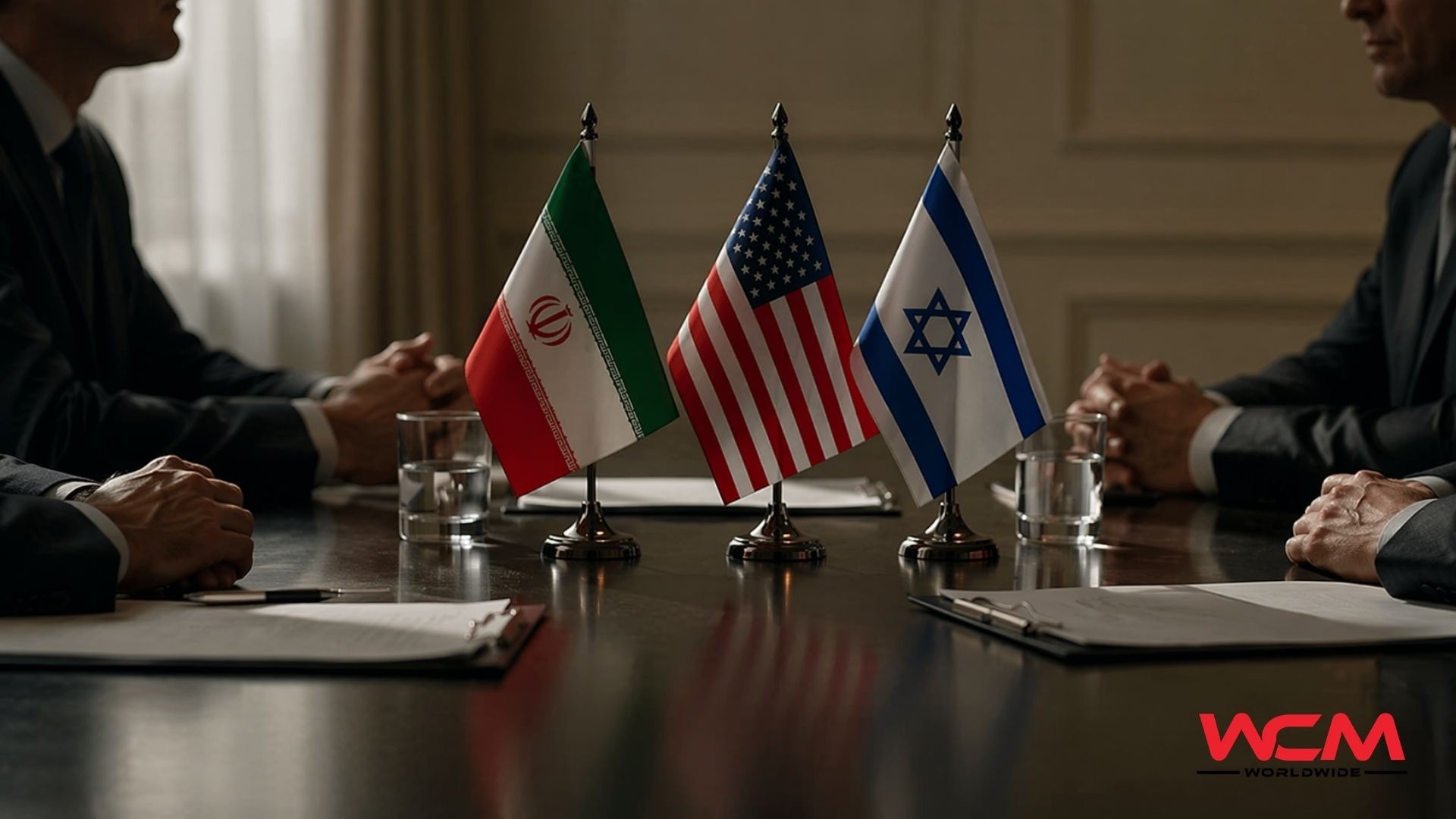
After weeks of escalating tensions in the Middle East, the United States, Israel, and Iran have agreed to a temporary ceasefire, marking a significant turning point for global shipping, energy markets, and supply chains. The agreement includes halting military strikes and reopening the Strait of Hormuz, one of the world's most critical maritime chokepoints.
While this development has eased immediate geopolitical risks, global logistics networks are still recovering from weeks of disruption, rerouting, and cost volatility. For shippers, freight forwarders, and supply chain leaders, understanding the operational impact of this ceasefire is essential for planning the weeks ahead.
This article provides WCM Worldwide's ground level analysis of what has changed, what is stabilizing, and what still needs monitoring.
What Happened: The USA Israel Iran Ceasefire Explained
The ceasefire followed weeks of escalating conflict that began with U.S. and Israeli strikes in Iran, followed by retaliatory attacks and disruptions across the Middle East. The conflict significantly affected shipping routes, energy markets, and supply chains globally.
Key Ceasefire Developments
- USA agreed to pause military operations
- Israel supported ceasefire efforts
- Iran agreed to reopen Strait of Hormuz
- Diplomatic negotiations initiated
- Temporary two week ceasefire announced
Despite the ceasefire, tensions remain fragile, and military activity in surrounding regions continues, highlighting that the situation is stabilizing but not fully resolved.
Why The Strait of Hormuz Matters to Global Shipping
The Strait of Hormuz is one of the most critical shipping corridors in the world, handling a significant portion of global oil and cargo movements. During the conflict, shipping activity through the strait dropped dramatically, creating widespread supply chain disruptions.
Shipping traffic through the Strait of Hormuz fell by as much as 90 to 95 percent during the conflict, significantly affecting global logistics operations and fuel markets.
This led to:
- Vessel rerouting
- Increased transit times
- Higher fuel costs
- Carrier surcharges
- Supply chain delays
With the ceasefire, shipping activity is expected to gradually resume, although carriers remain cautious.
Shipping Industry Response to the Ceasefire
Major global shipping lines are taking a measured approach despite the ceasefire.
For example:
- Some carriers are cautiously evaluating routes
- Bookings to Gulf ports remain limited
- Alternative logistics corridors still in use
- Risk assessments ongoing
Maersk confirmed that the ceasefire does not yet provide full maritime certainty, and decisions will depend on security conditions.
Similarly, Hapag Lloyd indicated that normal shipping operations may take 6 to 8 weeks to fully stabilize after the ceasefire.
This indicates that while tensions have eased, logistics recovery will take time.
Impact on Global Supply Chains
The ceasefire has already started influencing global supply chains in several ways.
Immediate Effects
- Reduced shipping risk
- Improved booking confidence
- Stabilizing transit times
- Improved carrier planning
However, disruptions are still being felt across global logistics networks.
Shipping experts indicate that supply chain disruption will continue in the near term despite the ceasefire, especially in automotive and industrial sectors.
Oil Prices and Energy Market Impact
Energy markets reacted immediately to the ceasefire.
Following the announcement:
- Oil prices dropped significantly
- Global markets surged
- Fuel cost pressure eased
Oil prices dropped below 100 dollars per barrel following the ceasefire announcement, reflecting reduced geopolitical risk.
Lower fuel costs typically translate into:
- Reduced freight surcharges
- Improved carrier cost stability
- Lower logistics volatility
However, analysts warn that energy markets remain sensitive and volatility could return if tensions escalate again.
Air Cargo and Multimodal Freight Impact
The Middle East conflict also affected air cargo and multimodal logistics.
During the conflict:
- Airspace closures occurred
- Flights rerouted
- Capacity tightened
- Costs increased
Air cargo capacity tightened significantly as airlines avoided Middle East airspace, creating ripple effects across global logistics networks.
With the ceasefire, air cargo capacity is expected to gradually improve.
What Shippers Should Expect Next
Even with the ceasefire in place, logistics leaders should remain cautious.
Key Expectations
- Gradual shipping normalization
- Continued risk monitoring
- Flexible routing strategies
- Carrier schedule adjustments
- Booking lead time planning
Industry experts emphasize that recovery will be gradual rather than immediate.
What This Means for Global Businesses
For importers, exporters, and logistics teams, the ceasefire provides an opportunity to:
- Resume paused shipments
- Reevaluate logistics strategies
- Plan inventory recovery
- Monitor fuel cost trends
- Stabilize procurement cycles
However, businesses should avoid assuming full stability.
WCM Worldwide Perspective
At WCM Worldwide, geopolitical developments are closely monitored to support clients with proactive logistics planning.
Our Current Observations
- Shipping conditions stabilizing
- Risk levels reduced but present
- Carrier routing gradually improving
- Supply chain planning becoming predictable
The ceasefire marks a shift from disruption to stabilization, but the recovery phase requires careful planning.
Key Takeaways
- USA Israel Iran ceasefire reduces immediate risk
- Strait of Hormuz reopening improves shipping outlook
- Supply chains gradually stabilizing
- Oil prices and fuel costs easing
- Full recovery expected over several weeks
Conclusion
The USA Israel Iran ceasefire marks an important shift from immediate disruption toward gradual stabilization across global shipping and supply chains. With tensions easing, shipping routes through the Middle East are expected to normalize, fuel price volatility is beginning to stabilize, and businesses can start planning with greater confidence.
However, the situation remains fluid. Carrier routing decisions, energy markets, and regional security conditions will continue to influence logistics operations in the coming weeks. For importers, exporters, and supply chain leaders, proactive planning and continuous monitoring remain essential.
At WCM Worldwide, we continue to track developments closely and support clients with informed routing strategies, capacity planning, and risk mitigation across global trade lanes.
If your shipments were impacted or you are planning upcoming movements across Middle East routes, now is the right time to reassess your logistics strategy. Connect with WCM Worldwide to review your shipping plans and ensure your supply chain remains resilient in a changing environment.
FAQs
How does the USA Israel Iran ceasefire affect global shipping routes?
The ceasefire between the USA, Israel, and Iran reduces immediate security risks across key Middle East shipping lanes, particularly around the Strait of Hormuz. As tensions ease, carriers may gradually resume normal routing, improving transit reliability and reducing risk premiums. However, shipping conditions may take several weeks to fully stabilize.
Will shipping rates decrease after the USA Israel Iran ceasefire?
Freight rates may stabilize following the ceasefire as fuel prices ease and risk surcharges reduce. However, carriers may continue cautious pricing until full regional stability returns. Rate normalization typically occurs gradually as shipping operations resume and capacity improves.
How long will global supply chains take to recover after the ceasefire?
Supply chain recovery following geopolitical disruptions typically takes several weeks. Even after a ceasefire, vessel repositioning, backlog clearance, and routing adjustments require time. Businesses should expect gradual improvement rather than immediate normalization.
What industries are most affected by the USA Israel Iran conflict?
Industries most impacted include energy, automotive, manufacturing, heavy equipment, and project cargo shipments. These sectors rely heavily on Middle East trade routes and are more sensitive to fuel price volatility and shipping disruptions.
What should shippers do after the USA Israel Iran ceasefire?
Shippers should reassess their logistics strategies, confirm carrier routing updates, plan shipments proactively, and monitor market conditions. Working with experienced global logistics providers helps businesses navigate post conflict stabilization effectively.
WCM Worldwide will continue monitoring this situation and share relevant updates as it develops.