Cross-Border Freight Logistics
WCM Worldwide manages cross-border freight across complex international boundaries, including US-Mexico land crossings, remote rail intermodal corridors, and landlocked destination routes in Latin America, Africa, and Central Asia. Cross-border logistics requires simultaneous compliance with two regulatory jurisdictions, precise documentation timing, and carrier selection that reflects actual infrastructure conditions at the specific crossing. WCM has done this work in the markets where it is most difficult.
The Operational Reality of Cross-Border Freight
Cross-border freight is more operationally complex than its description suggests. Moving cargo across an international boundary means coordinating export procedures in the origin country, compliance with the destination country's import requirements, border authority processing, and, in many cases, customs pre-clearance before the shipment reaches the crossing point. Documentation errors, missing permits, or late ISF filings can hold cargo for days.
Infrastructure adds another layer of complexity. Road quality, bridge weight limits, rail gauge compatibility, border wait time patterns, and seasonal access restrictions all affect routing decisions for cross-border freight. WCM's planning process incorporates these variables as standard practice, not as exceptions identified after problems occur.
Cross-Border Freight Services
US-Mexico Cross-Border Operations
WCM manages freight across all major US-Mexico crossings, including Laredo, El Paso, Nogales, and Otay Mesa. WCM coordinates Mexican customs Pedimento filings, CTPAT-certified carrier selection, and inland delivery to Mexican industrial centers, including end-to-end programs for cargo landing at US Gulf or West Coast ports before crossing into Mexico.
Rail Intermodal for Remote Cross-Border Corridors
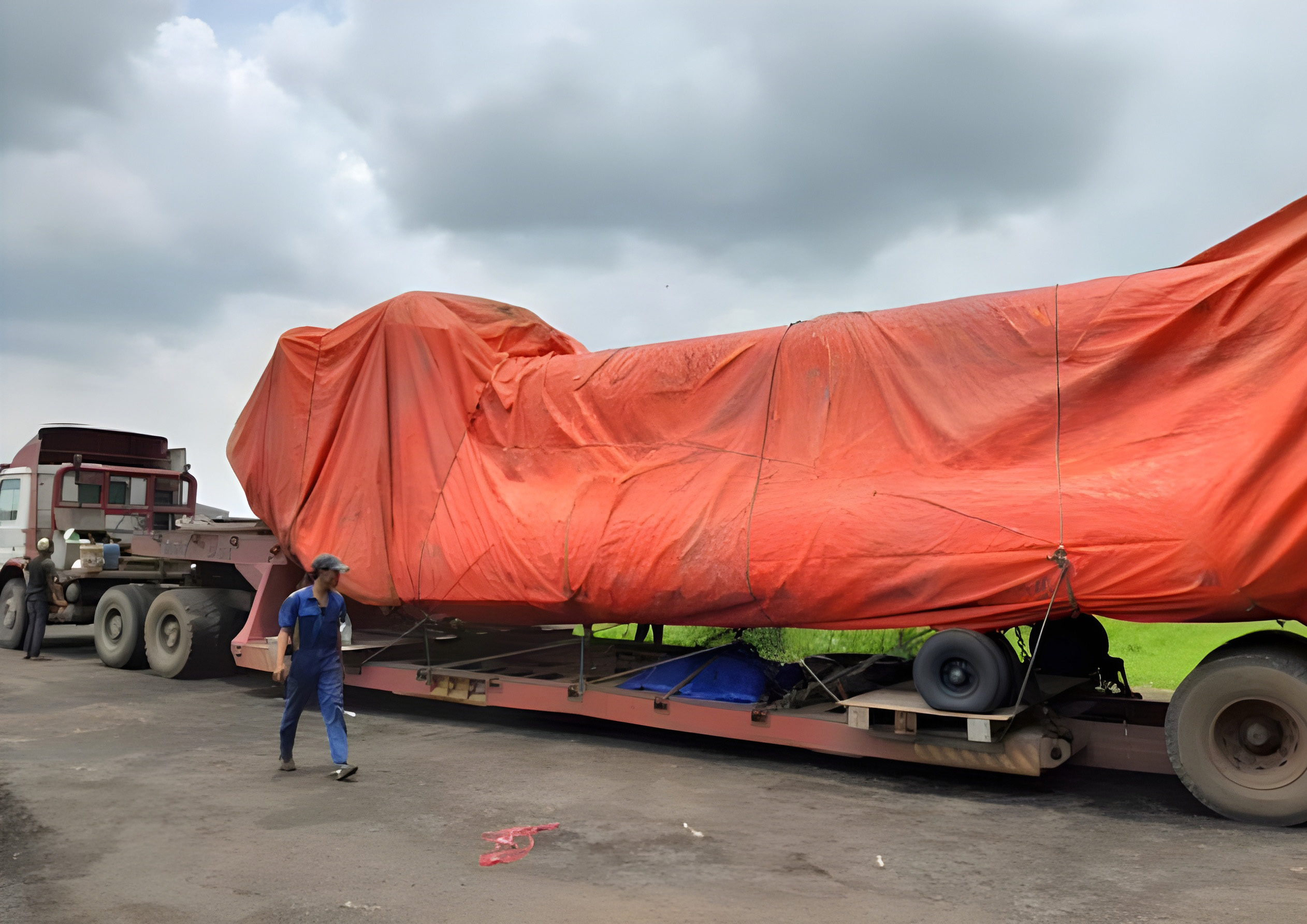
WCM executes rail intermodal movements crossing remote boundaries where road infrastructure is inadequate, seasonal, or non-existent—especially relevant for mining and energy sector clients in landlocked regions of Latin America, Sub-Saharan Africa, and Central Asia.
Multi-Modal Cross-Border Routing
WCM designs routing that integrates ocean freight to the nearest viable port, rail or road intermodal for inland transit, and customs coordination at each border transition. Plans account for cargo type, weight restrictions, transit time requirements, and total cost.
Customs Compliance at International Boundaries
WCM coordinates customs clearance at borders with licensed brokers and in-country agents on both sides, covering export declarations, import entry preparation, duty assessment, and regulatory permit requirements for controlled cargo categories.
How it works
WCM identifies the specific crossing, mode mix, infrastructure constraints, and compliance requirements for your cargo.
Export and import documentation is prepared in advance, with broker coordination on both sides to reduce holds.
Carrier selection reflects real crossing conditions; timing and handoffs are managed to keep freight moving.
WCM monitors border conditions and adjusts routing or processing steps when delays emerge at a crossing.
Active Cross-Border Trade Lanes
WCM actively manages cross-border freight on corridors including the United States and Mexico across major commercial crossings; the United States and Canada on eastern and western routes; Latin America (Brazil, Argentina, Chile, Peru); Sub-Saharan Africa (DRC, Zambia, Tanzania, Ghana); Central Asia corridors (Kazakhstan, Uzbekistan, Mongolia); and Southeast Asia boundaries serving Thailand, Vietnam, Cambodia, and Myanmar.
Border-ready execution, not border surprises
Cross-border freight succeeds when paperwork timing, permits, and crossing selection are planned before cargo is staged. WCM treats infrastructure constraints and regulatory sequencing as core inputs so your routing plan reflects the real conditions at your specific boundary.
FAQ
US-Mexico cross-border shipments require a Mexican customs Pedimento, commercial invoice, packing list, bill of lading, USMCA certificate of origin when claiming preferential duty rates, and applicable import permits for restricted commodity categories. WCM manages the full documentation set on both the US export and Mexican import sides.
WCM prepares documentation in advance of the shipment reaching the border and maintains broker relationships on both sides of active crossings. Pre-clearance filings and proactive border authority communication minimize hold times. WCM also maintains contingency routing options for crossings experiencing extended processing delays.
Yes. WCM specializes in reaching landlocked destinations that require multi-modal coordination beyond standard port access. WCM's 496-office global network provides local coordination at origin, transit points, and destination for remote cross-border moves, including locations where the nearest commercial port is several days of rail or road transit from the site.
The Customs-Trade Partnership Against Terrorism is a CBP voluntary program through which certified carriers meet enhanced security standards that qualify shipments for expedited border processing. WCM selects CTPAT-certified carriers for US-Mexico cross-border freight, reducing border hold times and providing a documented compliance framework.
Plan Your Cross-Border Move with WCM
Cross-border freight benefits from planning that begins before cargo is ready to ship. Share your crossing requirements, cargo profile, and timeline with a WCM representative and receive a routing plan that accounts for the real conditions at your specific boundary.
Call: (800) 209-5601 | Email: info@wcmchs.com
CLICK HERE for more information about our cross-border solutions.